Keeping a Classic on the Road: Honest Tips from the Shop
June 22, 2025 · The Rebel Yell
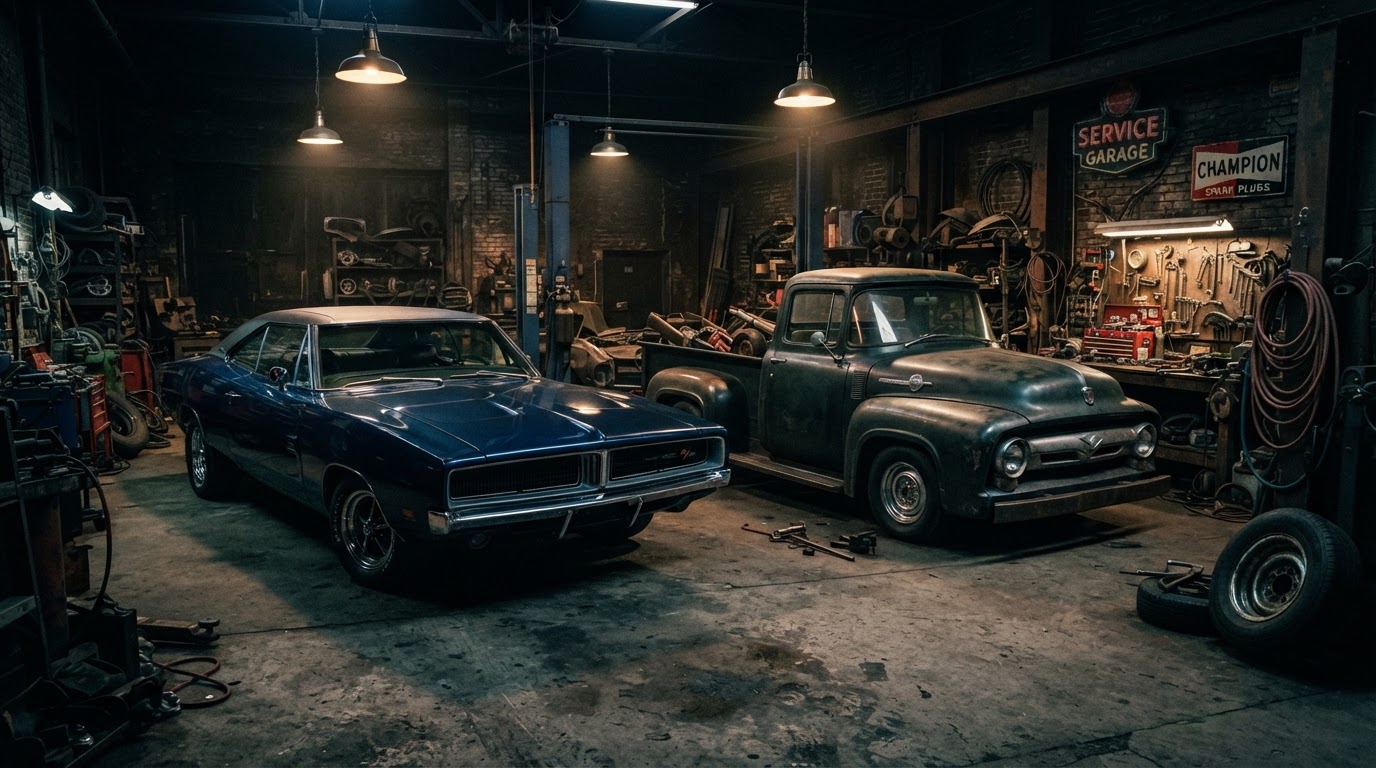
Old cars are a joy and a project. Here's what actually ages on a classic — wiring, fuel, rubber, rust — and how to stay ahead of it.
Old wiring
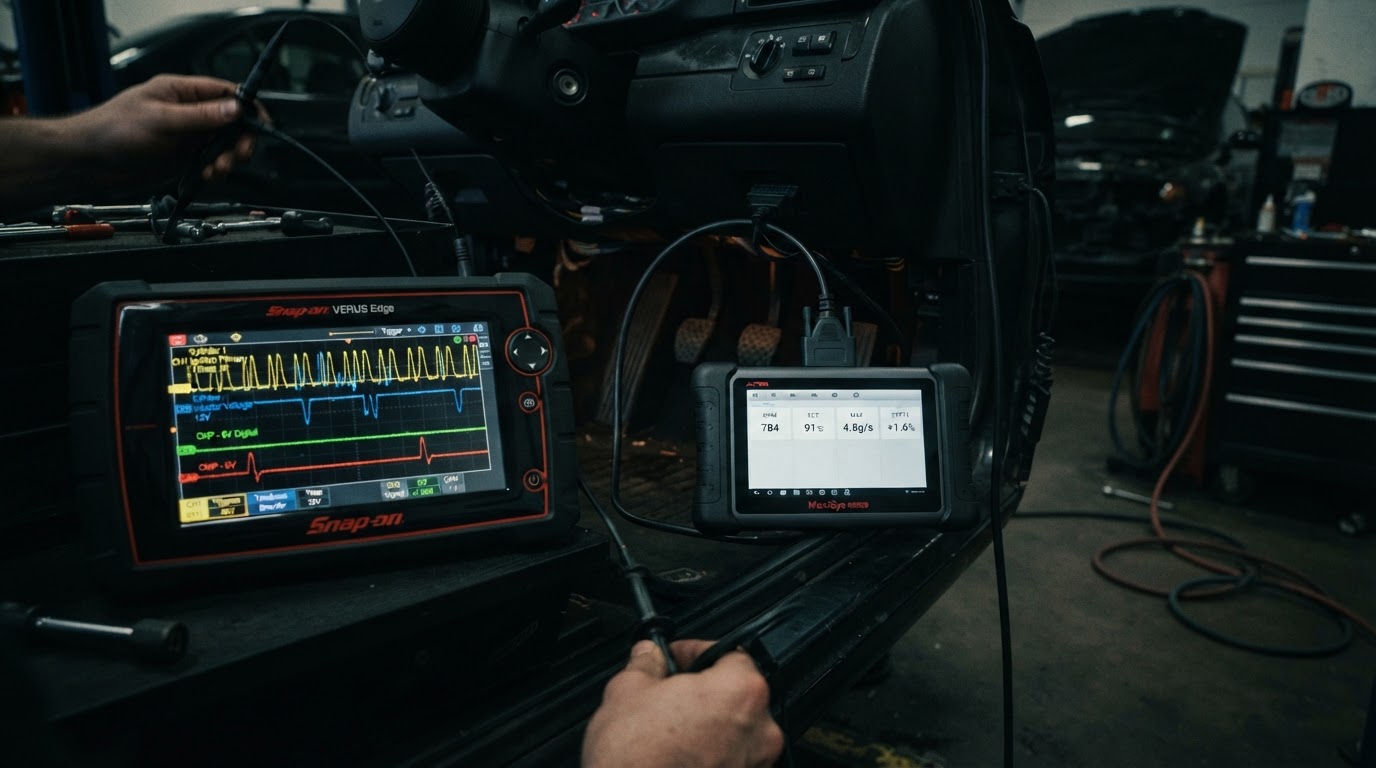
Wiring insulation gets brittle with age and heat. A classic that runs fine and then dies, or has gremlins that come and go, often has a connection or a ground that's finally given up. A careful look at the harness beats chasing symptoms.
Modern fuel and old rubber
Today's fuel has ethanol, and ethanol is hard on the rubber and the carburetor components a classic was built with. Fuel lines, float seals, and diaphragms age faster than they used to. If the car sits a lot, that's where to look first.
Rust never sleeps
A classic in New England fights salt every winter it sees. Frame rails, rockers, and brake lines are the usual spots. Catch it early and it's a repair; let it go and it's a project.
Winter storage checklist
Stabilize the fuel, pull the battery and keep it on a tender, get it off the ground on stands if you can, and keep a cover on it. Come spring, book before the rush — everyone wants their classic back on the road at the same time.
Shop Tip
If your classic sits for months, start it and let it reach full operating temperature once a month. Short cold starts do more harm than good.
Need this looked at?
Book a drop-off or call the shop. John talks with you before any work starts.